

Uniforms that patients and colleagues can read
In a clinical setting, uniforms do practical work. Patients need to tell a nurse from a doctor or a receptionist. Colleagues need to identify departments quickly. And everyone needs garments that stay comfortable through long shifts and hold up to frequent hot washing.
We help healthcare providers set up clear colour coding by role or department, then produce a consistent range across scrubs, lab coats, nurse uniforms and front-desk wear. Names and logos are embroidered so they stay legible wash after wash.
Roles and garments
A healthcare range usually covers clinical, support and front-desk teams. This is a typical starting point; your facility's policies decide the final list.
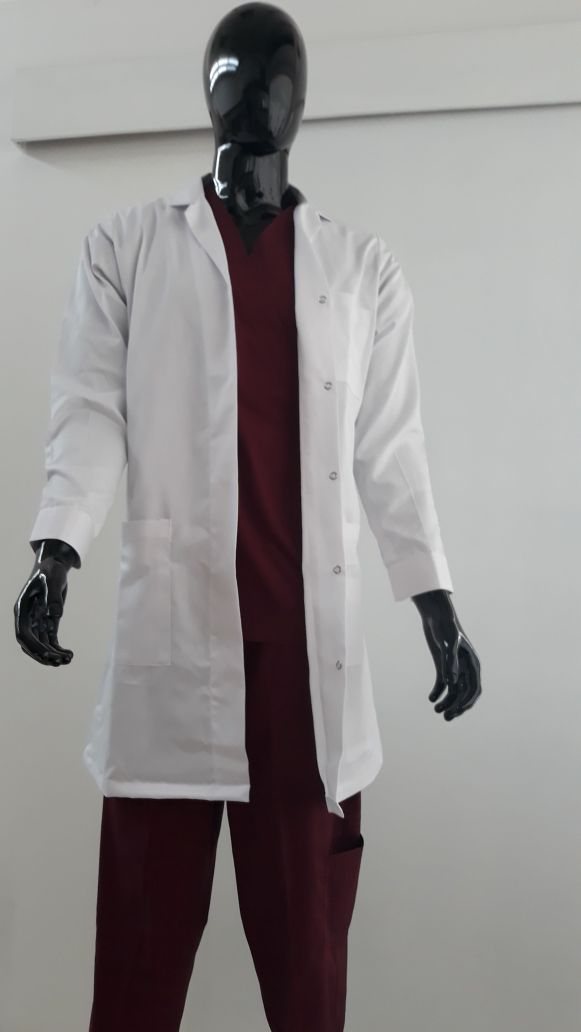
- Doctors and consultants: lab coats over scrubs or smart clinical wear, with name and title embroidered
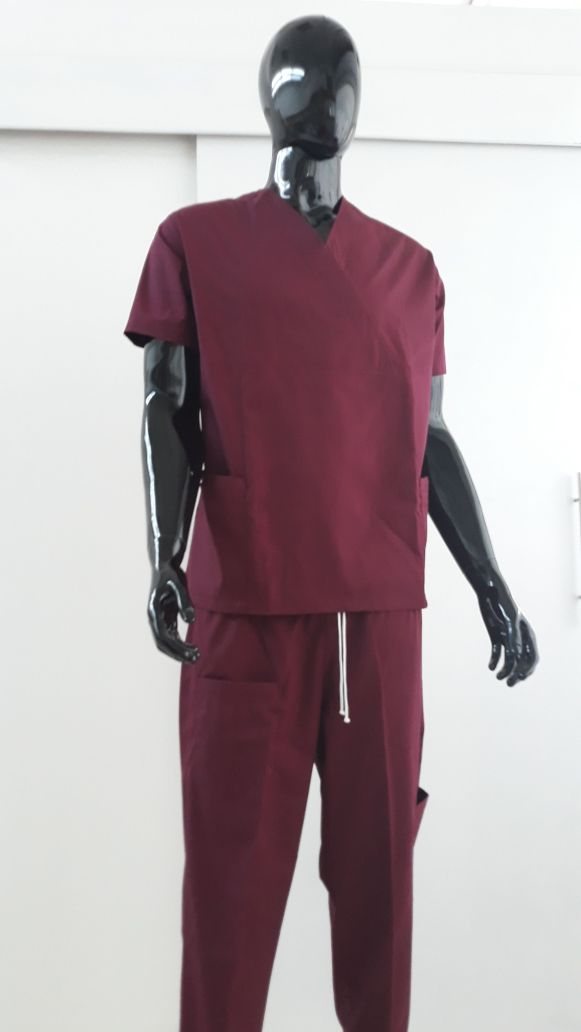
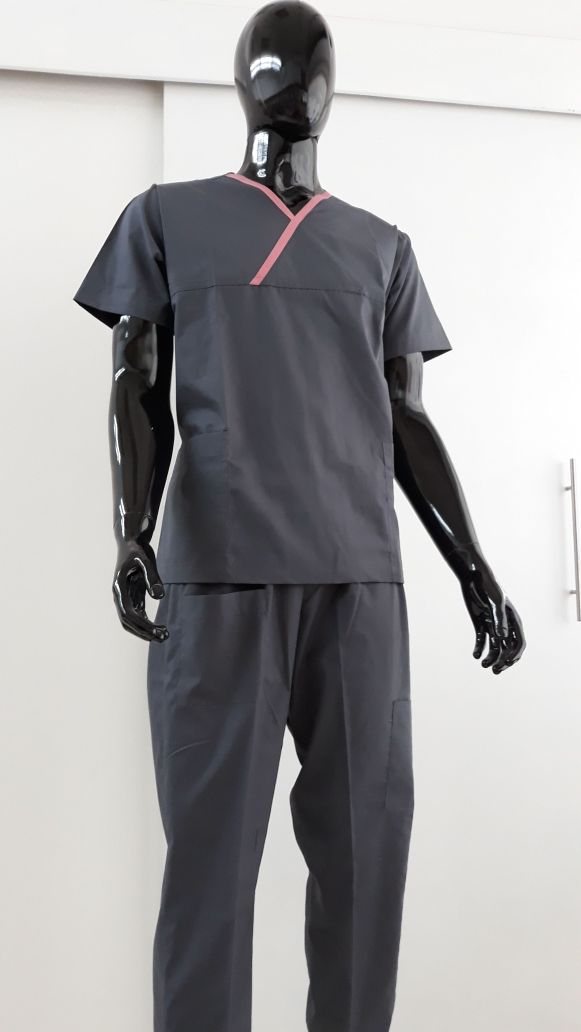
- Nurses: scrub sets or nurse tunics with trousers, in the colour assigned to nursing grades or departments
- Nursing assistants and care staff: scrubs or tunics in a separate colour so patients can tell roles apart
- Allied health, such as physiotherapy: polo shirts or tunics with stretch, and trousers that allow movement
- Laboratory and pharmacy: lab coats in crisp, heavier fabric
- Dental teams: scrubs or tunics, often in a colour chosen to suit the clinic's interior
- Radiology and diagnostics: scrubs in a department colour
- Reception and administration: corporate-style shirts and blouses that match the clinical palette
- Housekeeping and porters: durable tunics or polos and trousers
- Patients: easy-fastening gowns
Setting up colour coding
A colour scheme only works if it is simple and stays the same. We suggest choosing one colour per role or per department, not both, and keeping visitor-facing roles such as reception in a neutral, corporate colour. Write the scheme down and display it for patients if it helps them.
We keep a record of your scheme with fabric references, so every reorder matches. If you open a new department, we suggest a colour that sits clearly apart from the existing ones.
Fabrics for clinical work
We recommend breathable poly-cotton or stretch blends for scrubs, which balance comfort with durability and quick drying. Lab coats are offered in heavier, crisp fabrics that stay presentable. Antibacterial and fluid-repellent finishes are available on request; tell us your infection-control requirements and we will confirm suitable fabrics before quoting.
Fabric choices and why
Your infection-control team sets the laundering policy for clinical garments. Share it with us and we will recommend fabrics that suit it.
- Poly-cotton scrubs: the most common choice, durable, quick to dry and able to handle frequent washing
- Stretch blends with a small percentage of elastane: more freedom for staff who bend, lift and reach all shift
- Higher-cotton fabrics: soft and breathable, but they crease more and can fade faster
- Polyester-rich twill for lab coats: holds a crisp shape and stays presentable
- Finishes on request: antibacterial and fluid-repellent treatments, confirmed against your infection-control requirements before quoting
Names, logos and placement
- Facility logo on the left chest of scrub tops, tunics and lab coats
- Name and title on the right chest or under the logo
- Department name on the sleeve where helpful
- Embroidery rather than print for names, so they stay legible after many washes
- No hard badges or sharp fixings where your policy discourages them
Reusable and disposable together
Alongside reusable uniforms, we supply disposable non-woven isolation gowns, coveralls, shoe covers and caps in bulk, so procurement teams can source both from one supplier.
Ordering made simple for clinical teams
Nursing and procurement managers rarely have time to chase sizes. We can run a measurement or try-on session at your facility, or leave size sets so staff can choose their size between shifts. Each person's set is embroidered with their name and packed with a label, so distribution is straightforward. New joiners can be added at any time from the same approved designs and colour scheme.
The ordering process step by step
- Brief: departments, headcount per role, colour preferences and any infection-control requirements
- Proposal: garments and fabrics per role, with swatches and a suggested colour scheme
- Quotation: a written quotation that confirms minimums and the delivery date
- Samples: a scrub set, lab coat or tunic per style for approval
- Sizes and names: a try-on session, size sets left at the facility, or a list of names and sizes
- Production: garments made, embroidered with names and logo, and quality checked
- Delivery: each person's set packed and labelled, then delivered to your facility
Sizing scrubs and tunics
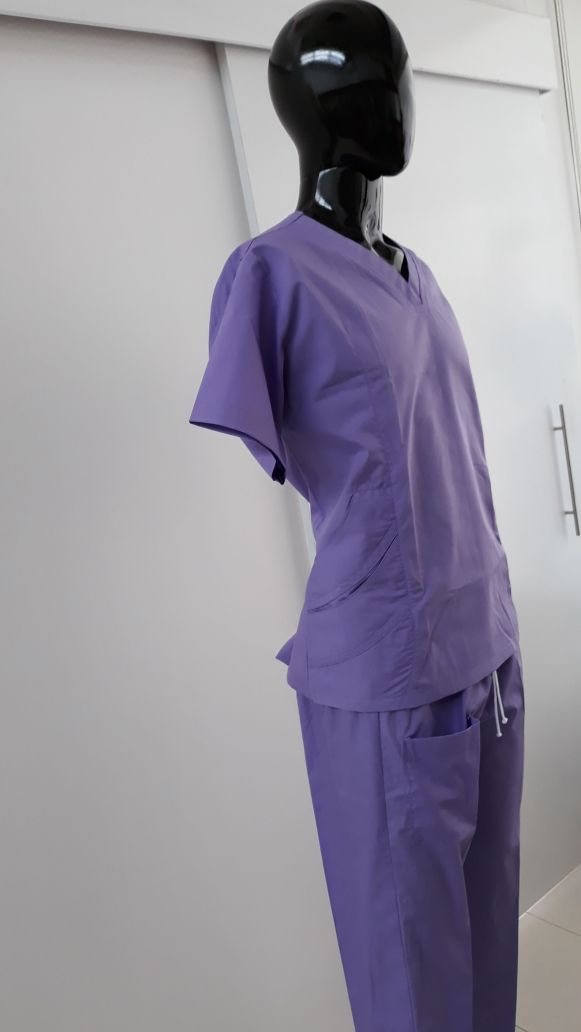
Scrubs come in sizes from XS to 4XL, in men's and women's cuts. Fitted cuts are more comfortable for many staff; if you would rather order a single unisex style for simplicity, tell us and we will confirm suitable options when quoting. Our workshop can shorten trouser hems.
The quickest way to size a large team is to leave size sets on each ward or in the staff room for a few days. Staff try on between shifts and record their size on a list against their name.
Care and laundering
- Follow your facility's laundering policy and the garment care label
- Poly-cotton scrubs generally tolerate higher wash temperatures than garments with a high stretch content; check the label for each fabric
- Wash coloured scrubs separately from whites to keep department colours consistent
- Avoid chlorine bleach on coloured scrubs unless the fabric is labelled as suitable
- Turn embroidered garments inside out and press them on the reverse
New joiners and replacement sets
Healthcare teams change often, so reordering has to be simple. Send us the new person's name, role and size, and we produce a set from the approved design and colour scheme. Many facilities also keep a few unembroidered sets in common sizes for staff who start before their named set is ready.
Healthcare uniform checklist
- Roles and departments, with headcount for each
- Colour scheme by role or by department
- Infection-control and laundering requirements
- Number of sets per person
- Names and titles for embroidery
- Disposable items needed alongside reusable uniforms
- Delivery address and the date the uniforms are needed