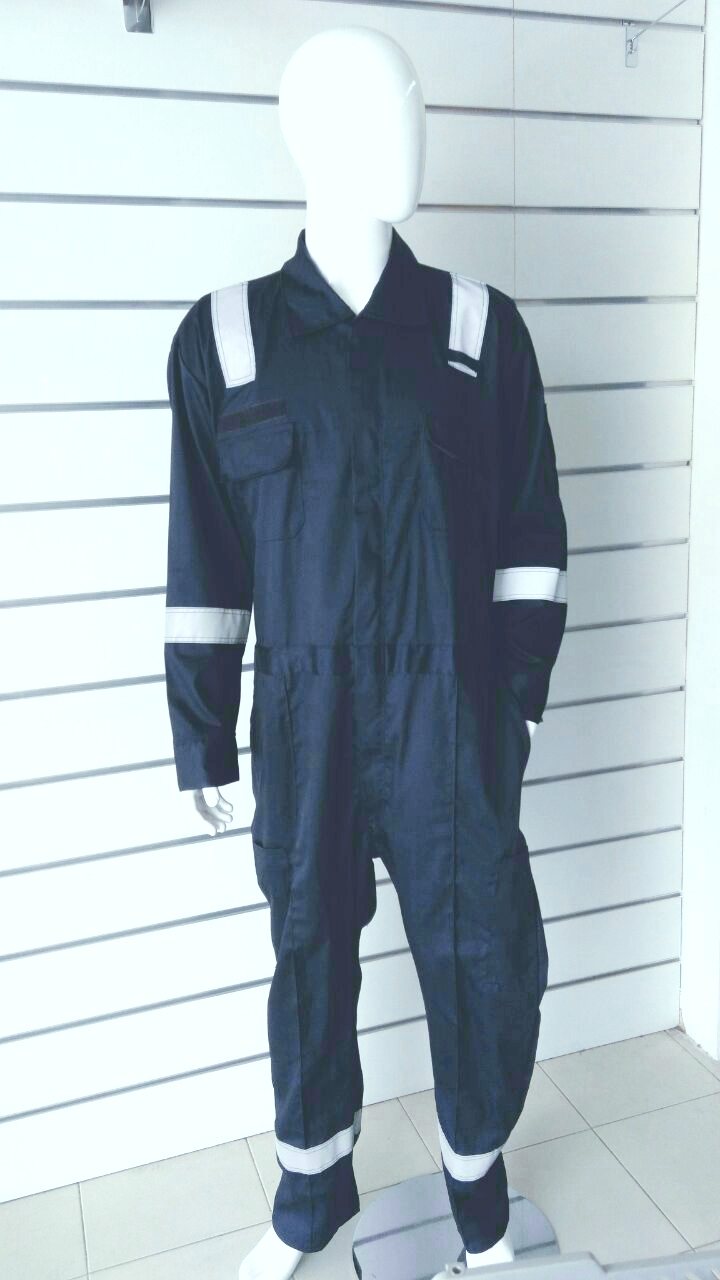
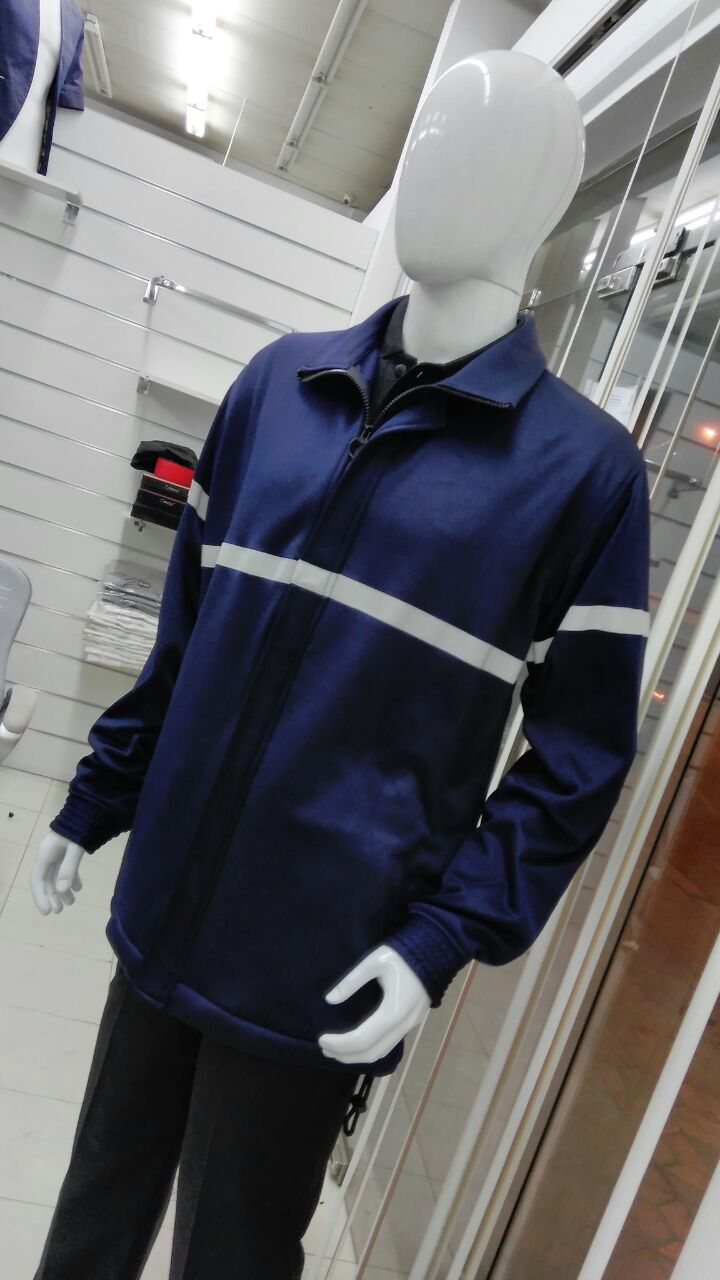
Protection and comfort in UAE conditions
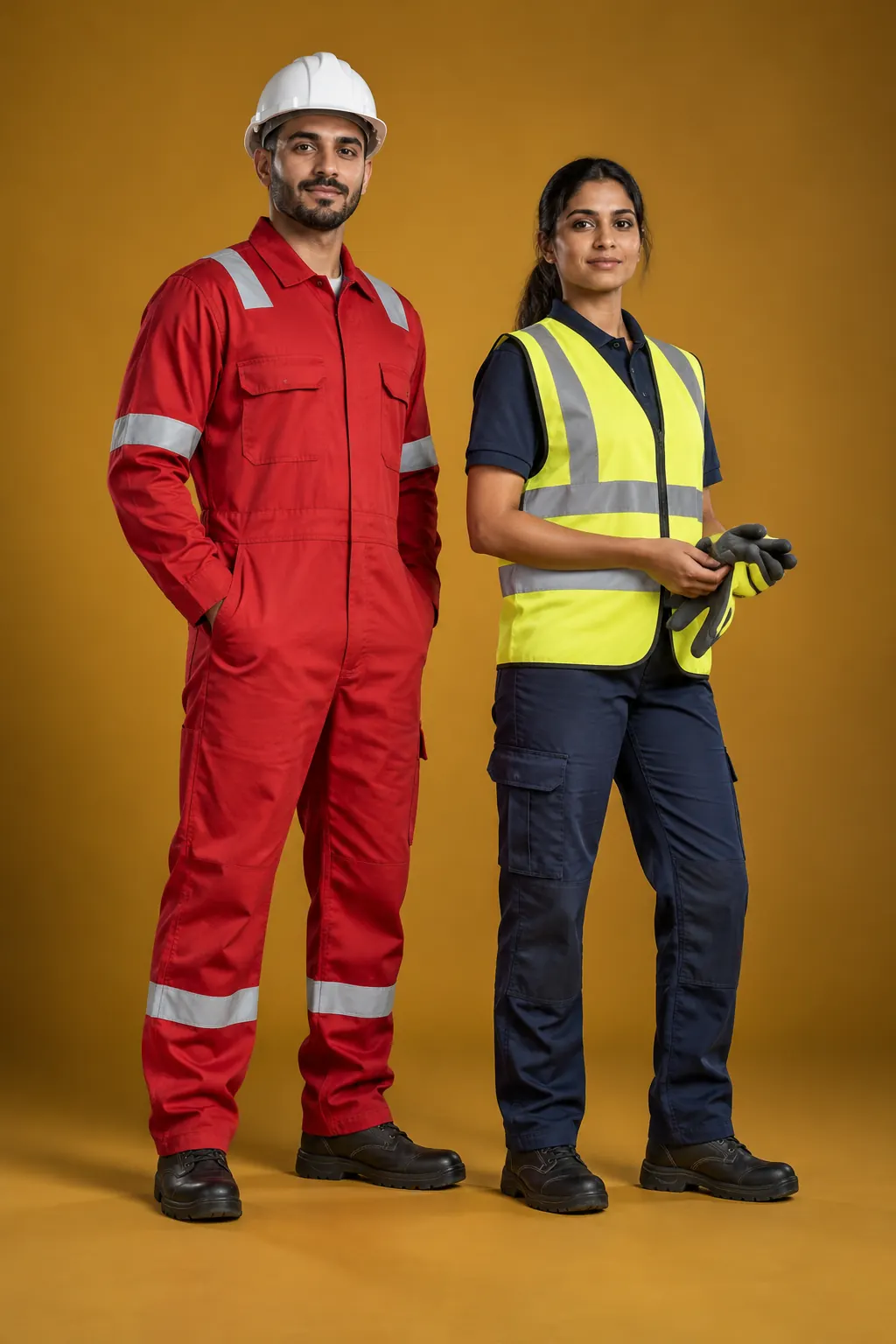
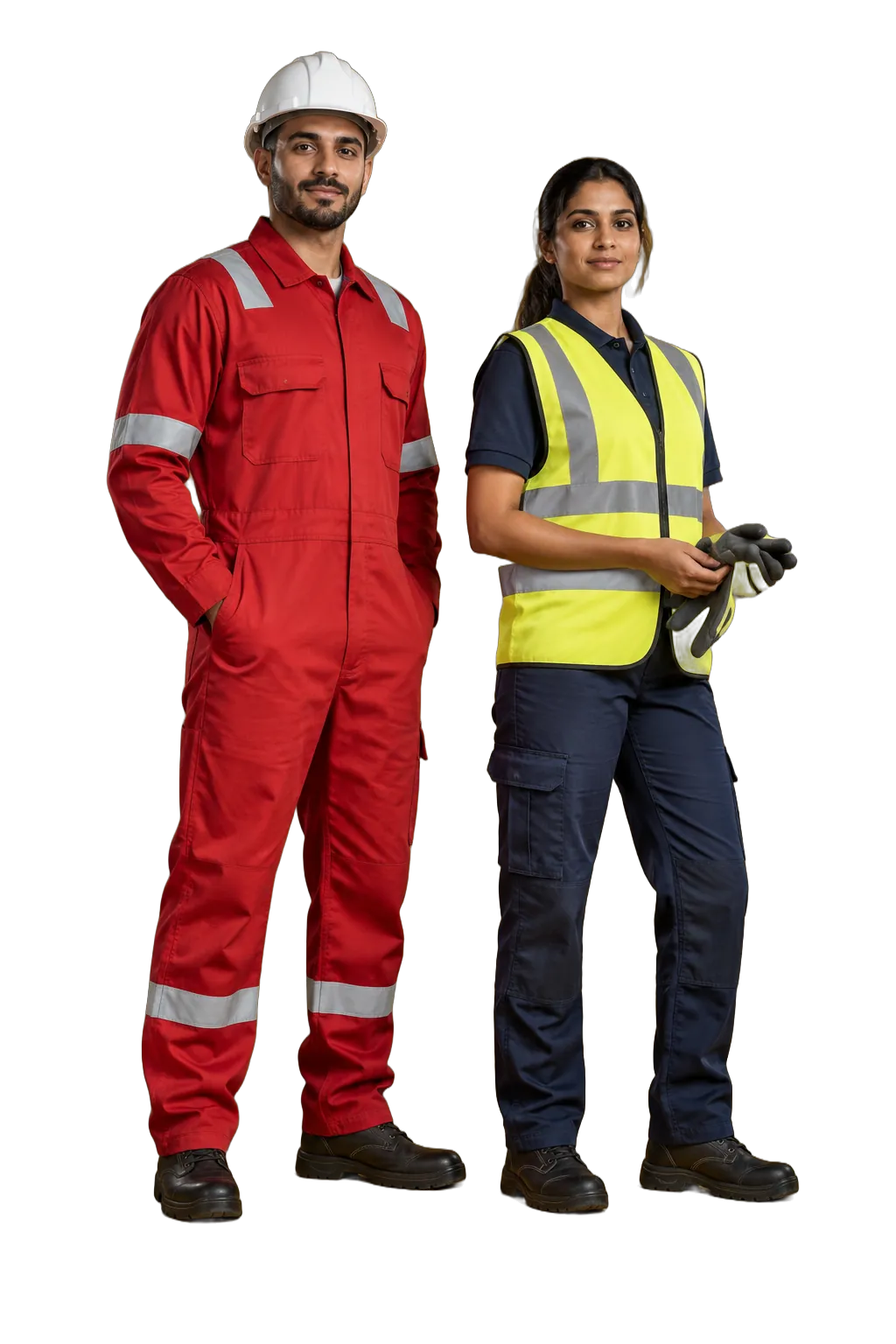
Industrial uniforms in the UAE have to balance protection with heat. Workers need durable, practical garments that meet site safety rules, but heavy or non-breathable clothing in summer quickly becomes a problem. We help you choose fabrics and constructions that suit each role: lighter, breathable cotton or poly-cotton for general duties, hi-vis where visibility matters and flame-retardant fabrics where your risk assessment requires them.
Tell us the safety standards your site works to and we will confirm suitable fabrics and garments before quoting.
Roles and garments
- Production line operators: work shirts and trousers or coveralls in a durable poly-cotton
- Maintenance and mechanical technicians: coveralls or cargo trousers with tool pockets, and reinforced knees
- Electrical and hot-work roles: flame-retardant garments where your risk assessment requires them
- Warehouse and logistics staff: hi-vis shirts or vests, cargo trousers and caps
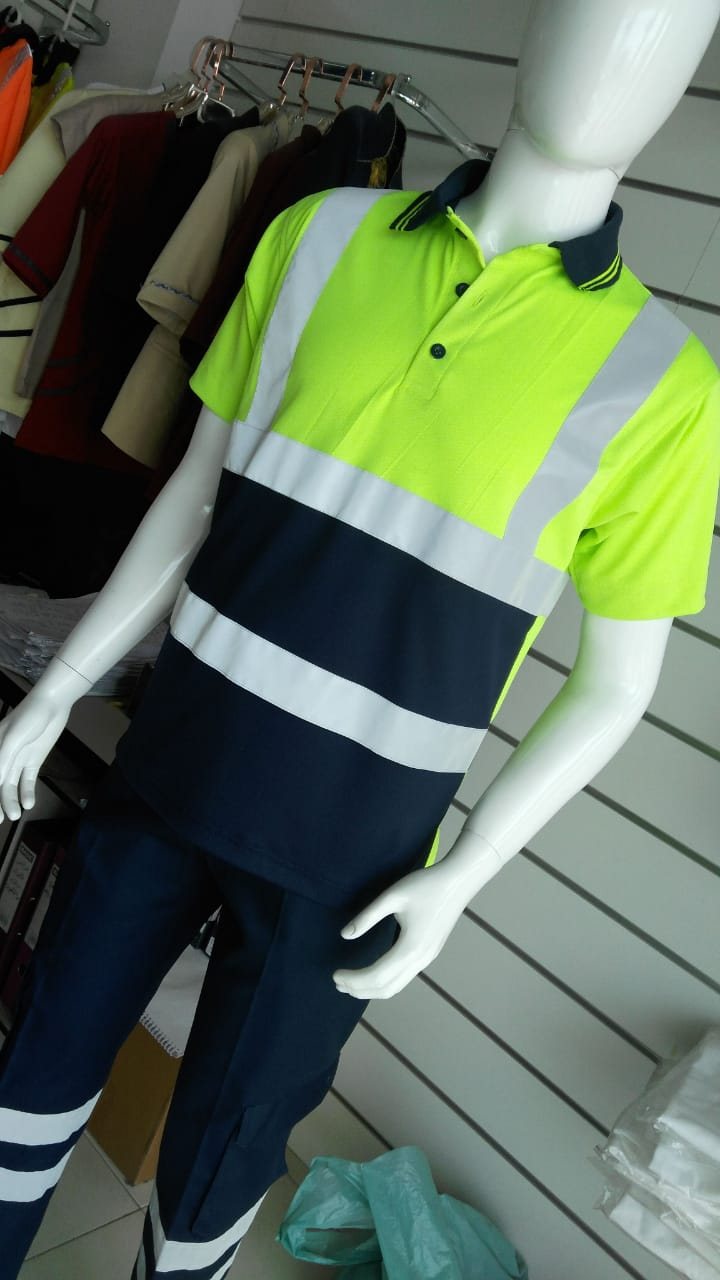
- Drivers and forklift operators: work shirts or polos with hi-vis details
- Construction and outdoor crews: lightweight, breathable work shirts with reflective tape, cargo trousers and caps
- Supervisors and HSE officers: a distinct colour or hi-vis vest so they are easy to find
- Visitors and contractors: hi-vis vests or disposable coveralls kept at the gate
Fabric choices and why
Our fabric guide explains typical fabric weights and how each option behaves in heat and in the wash.
- Cotton twill or drill: breathable and comfortable in heat, but it fades and wears faster under industrial washing
- Poly-cotton twill: the most common workwear fabric, stronger, quicker to dry and better at holding colour
- Heavier twill or canvas: for trousers and coveralls that face abrasion, kneeling and tools
- Hi-vis fabrics: fluorescent yellow or orange polyester or poly-cotton for daytime visibility, with retroreflective tape for night and headlights
- Flame-retardant fabrics: either chemically treated cotton-rich fabrics or inherently flame-resistant fibres; the right one depends on the hazard and the standard your site specifies
- Lighter-weight versions of each: for outdoor crews in summer, where the safety rules allow
Safety standards: what to tell us
Protective clothing is specified by your site, not by the supplier. Many UAE sites and contractors write European or international standards into their HSE requirements, for example EN ISO 20471 for high-visibility clothing or EN ISO 11612 for protection against heat and flame. Your HSE team will know which standard and class, if any, applies to each role.
Tell us the standard and class at enquiry stage. We confirm which garments meet it before quoting and never describe a garment as compliant unless it is. If a role only needs ordinary workwear, we will not sell you protective garments you do not need.
Built to last on the job
Workwear takes a beating from tools, grease, abrasion and industrial washing. We recommend reinforced stitching at stress points, durable fabrics and practical details such as tool and phone pockets, knee areas with extra strength and secure closures. Logos are embroidered or printed so they stay readable through repeated washing.
Branding and placement
- Company logo embroidered on the left chest of shirts and coveralls
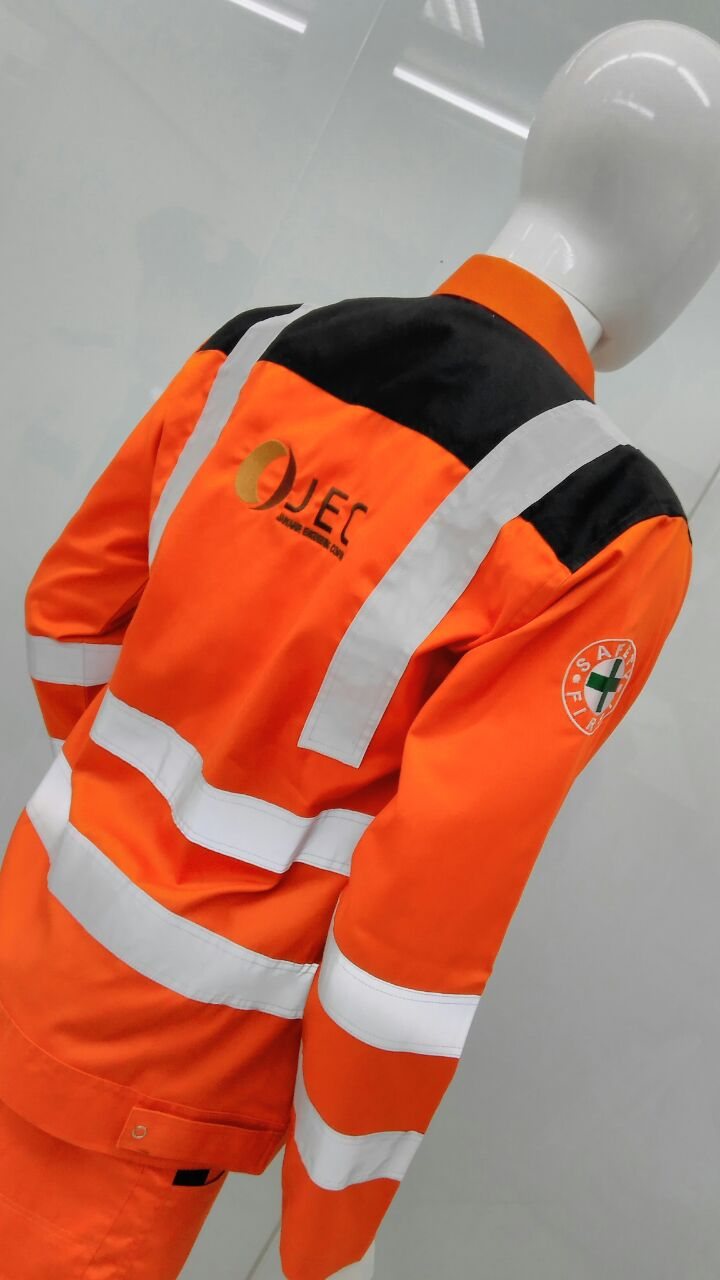
- Larger printed logo or company name across the back, so crews are identifiable on shared sites
- Role or trade wording, such as Supervisor or Electrician, on the back or sleeve
- Reflective tape positioned around the body and limbs as your hi-vis specification requires
- On flame-retardant garments, decoration must not compromise protection; we confirm a compatible method before branding them
Head-to-toe supply
Alongside garments, we can supply caps, winter jackets for cooler months and safety footwear, including high and low ankle safety shoes and boots, so site managers can source a complete kit from one supplier.
Sizing and packing for large crews
For large crews we work from a size breakdown or measure workers on site, shift by shift. Orders are packed and labelled by crew, site or shift, so supervisors can hand out kit without sorting. Approved designs stay on record for reorders and for new crews joining mid-project.
Ordering step by step
- Brief: roles, crew sizes, working conditions and any safety standards
- Proposal: garments and fabrics per role, with swatches and branding options
- Quotation: a written quotation that confirms minimums and the delivery date
- Sample: a garment per style with your logo and any reflective tape, for approval
- Sizes: a size breakdown, a list by worker, or a measurement session on site
- Production and quality checks
- Packing by crew, site or shift, and delivery to your site
Sizing workwear and coveralls
Work shirts and trousers come in sizes from XS to 4XL. Coveralls are sized mainly by chest and height, so tall workers may need a larger size than their shirts. Workers need room to bend, kneel and reach without the garment pulling at the back or crotch, so if someone is between sizes, choose the larger one. Our size guide explains how to measure chest, waist, inseam and height.
Working in UAE summer heat
Clothing is one part of managing heat stress, alongside shade, water and work schedules. For uniforms, lighter colours reflect more sun, lighter fabric weights and vented designs help airflow, and long sleeves in a breathable fabric protect skin from direct sun. Where hi-vis or flame-retardant protection is required, choose the lightest garment that still meets your specification rather than removing protection.
Care and replacement
- Follow the care label; industrial laundering is harder on garments than home washing
- Hi-vis garments lose fluorescence and reflectivity with wear and washing; replace them when they fade or the tape is damaged
- Flame-retardant garments: follow the manufacturer's care instructions exactly, and avoid bleach and fabric softener unless the label allows them
- Repair or replace torn garments promptly, especially protective ones
- Remove oil and grease before washing where possible
Workwear planning checklist
- Roles and crew sizes by site
- Safety standards and classes required for each role
- Working conditions: heat, chemicals, oil, abrasion, night work
- Logo, back print and role wording
- Sets per worker and replacement cycle
- Footwear, caps and jackets needed
- Packing by crew, site or shift