From the pass to the floor
In food service, the uniform is part of the concept. A specialty cafe, a fine-dining room and a catering crew at a corporate event each need a different look, but all need garments that survive spills, heat and daily washing.
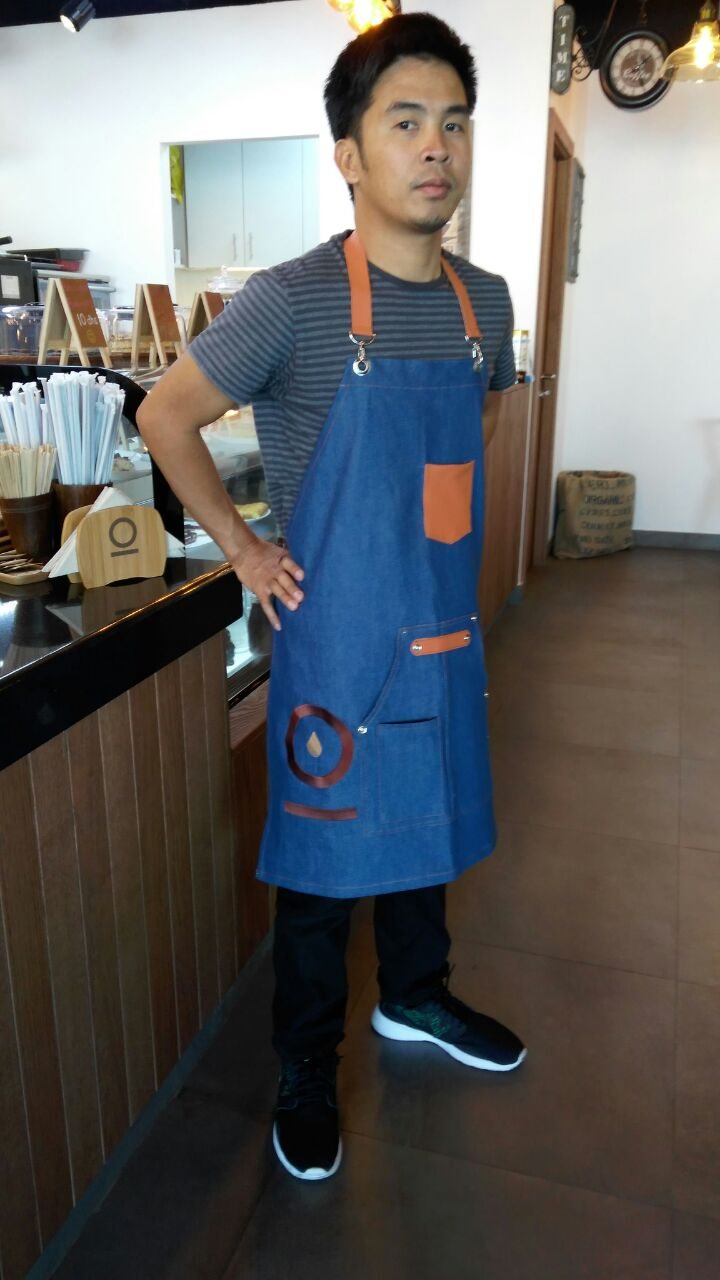
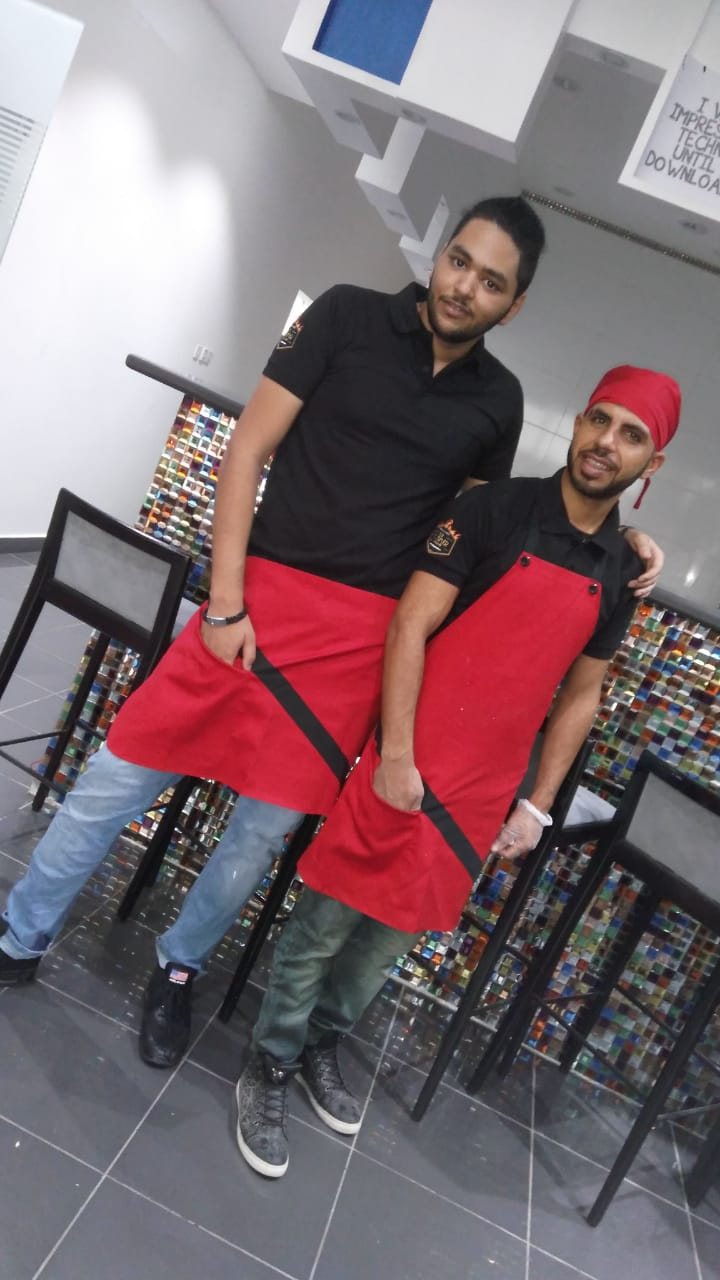
We design front-of-house and kitchen uniforms together so they share colours and branding, then choose fabrics for each role: breathable shirts for floor staff, sturdy aprons for baristas, and heat-friendly chef coats for the kitchen.
Roles and garments
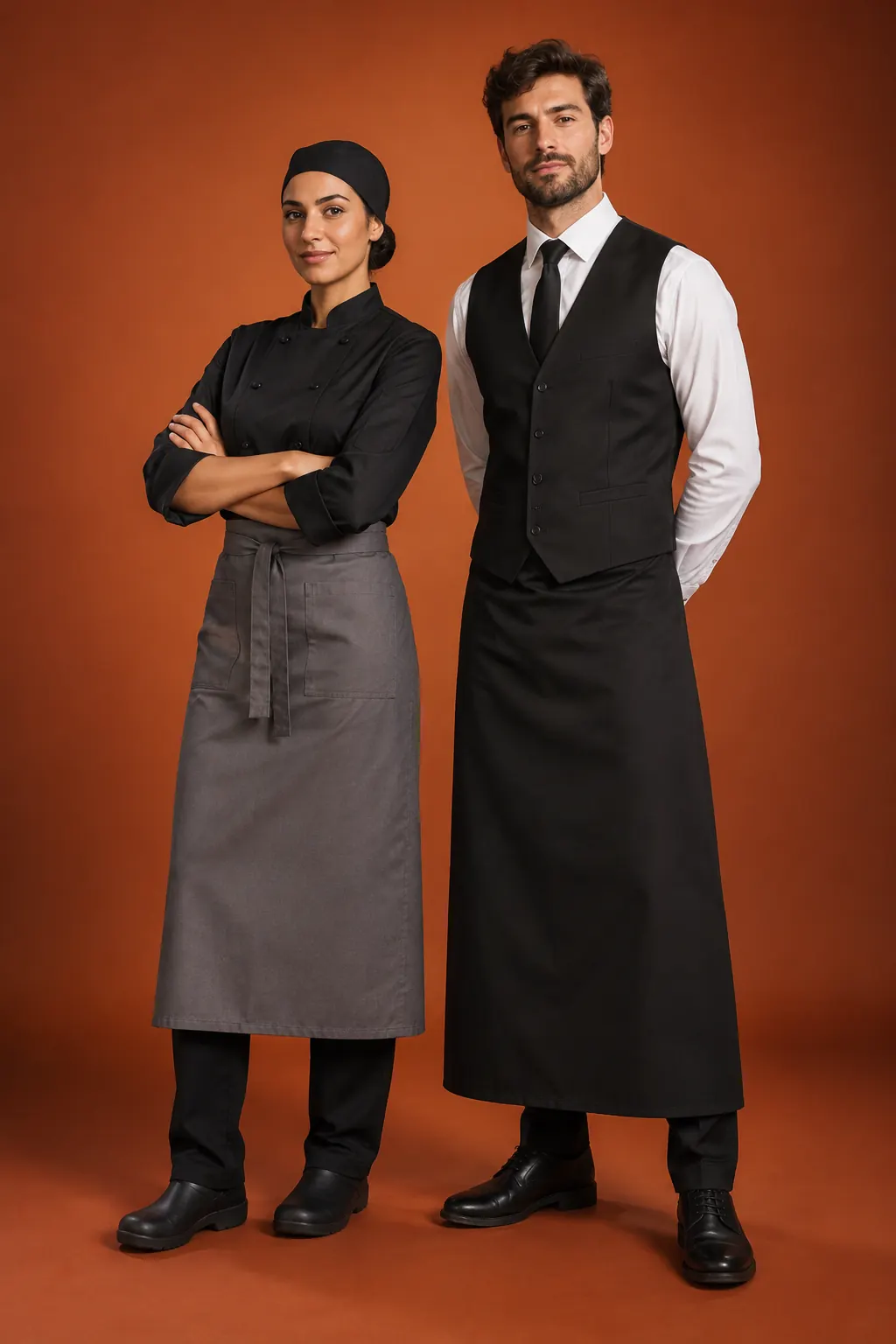
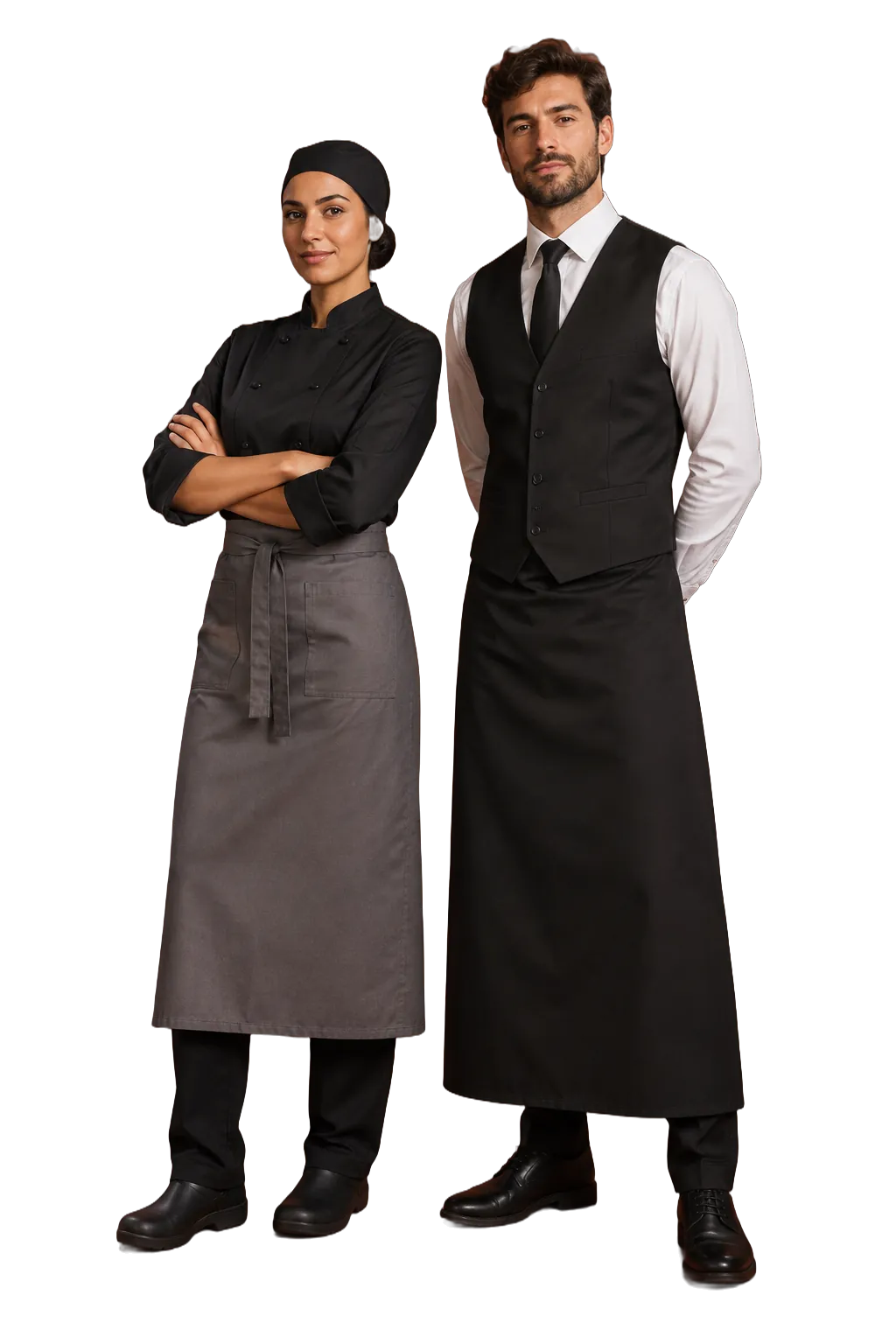
- Servers and waiters: shirts or blouses in your colours, waistcoats for formal service, waist or bistro aprons, trousers or skirts
- Host and reception: a smarter layer such as a blazer or waistcoat, with the same colour palette
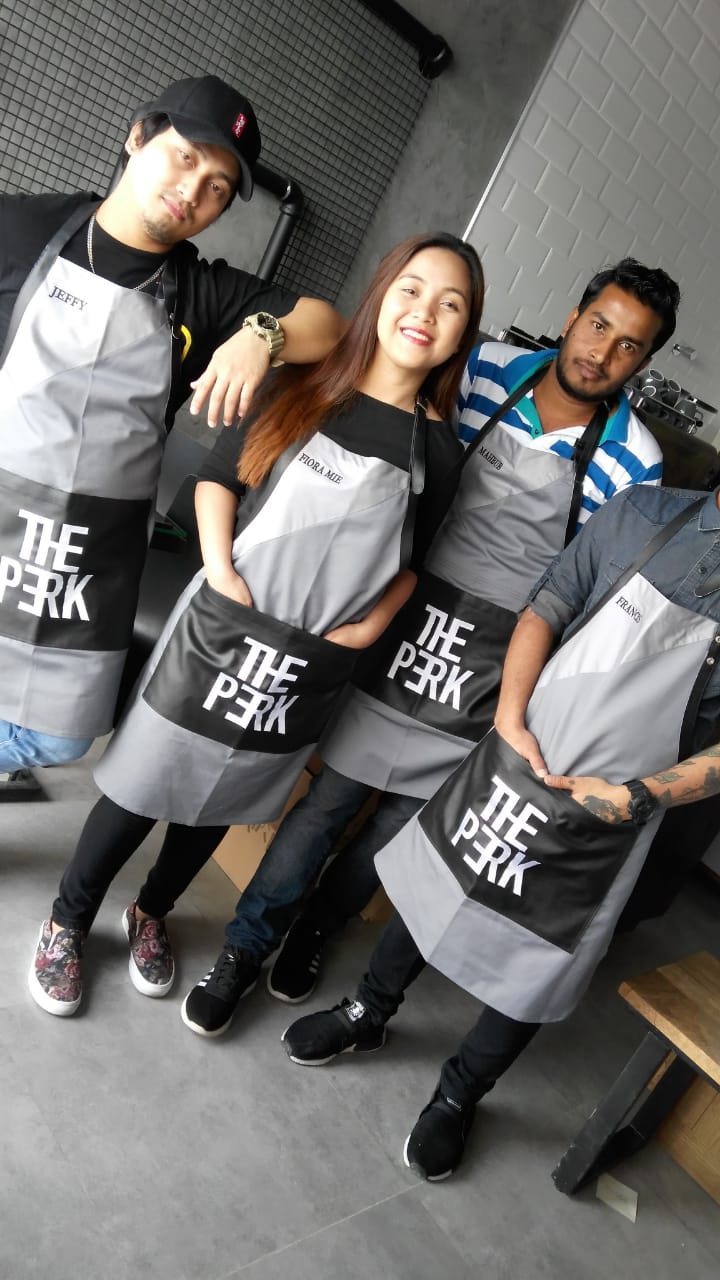
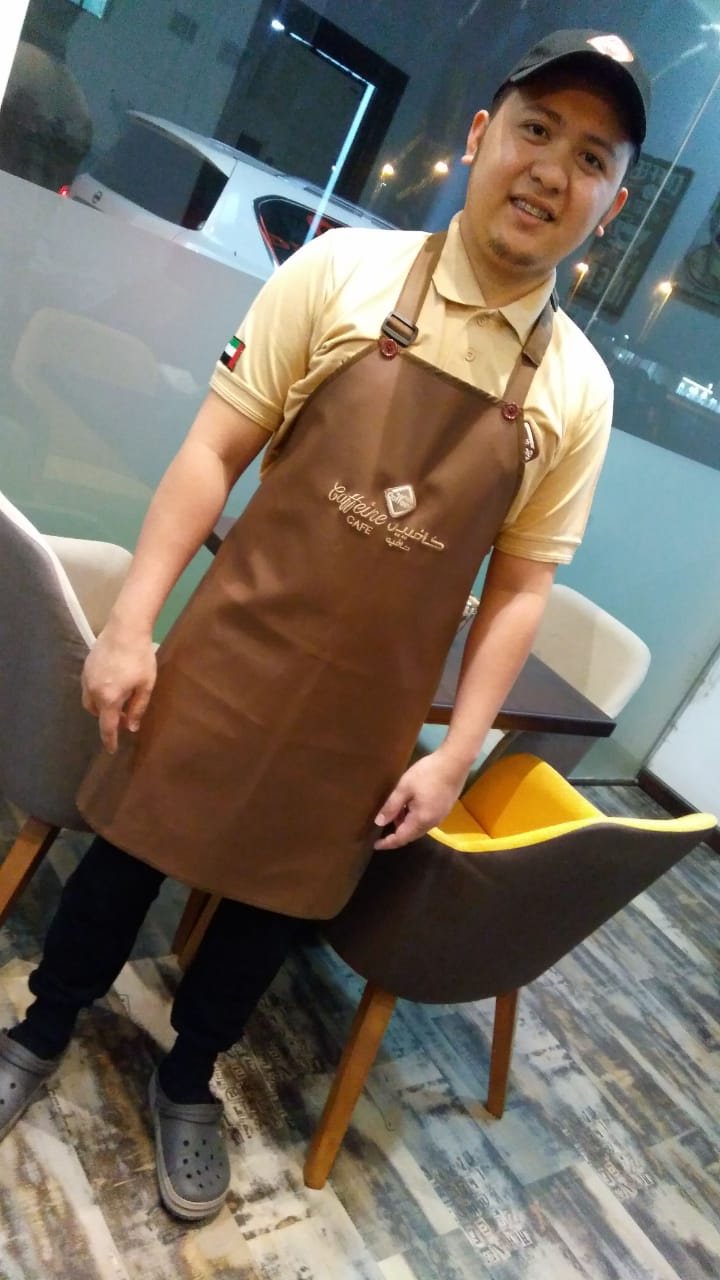
- Baristas: bib aprons, T-shirts or polos and caps
- Bartenders: darker shirts or waistcoats and aprons that hide spills
- Chefs and cooks: chef coats, chef trousers, aprons and caps, with role shown through colour or embroidery
- Kitchen porters and stewards: durable workwear with waterproof or heavy aprons
- Cashiers and counter staff: polos or shirts with an embroidered logo
- Delivery riders: polos or T-shirts, caps and jackets with visible branding
- Catering and event crews: coordinated shirts, aprons and polos for one-off events
- Managers: a shirt or blazer that sets them apart while matching the team
Practical details that matter on shift
Small design decisions make a big difference during a busy service. We pay attention to them at the sample stage.
- Apron pockets sized for order pads, pens and phones
- Adjustable neck straps and long ties that fit different heights
- Stain-resistant and easy-care fabrics for front-of-house shirts
- Darker colours or patterns where spills are likely
- Breathable fabrics for staff working near grills and ovens
Fabric choices and why
Some chef coat styles add lighter or vented panels for kitchens that run hot; we show these options at the sample stage.
- Poly-cotton shirting for front of house: breathable, quick to dry and less prone to creasing than pure cotton
- Cotton or poly-cotton twill for chef coats: cotton is cooler next to the heat; poly-cotton keeps its colour and shape better through daily washing
- Heavy cotton, canvas or denim-look fabrics for aprons: they protect clothing and soften with washing rather than wearing thin
- Pique or performance knits for polos and barista wear: comfortable for staff who move constantly
- Darker colours or small patterns: practical where spills are frequent, such as bars and coffee counters
Food safety and your uniform
Kitchens usually follow a food-safety plan, and inspectors may ask how clothing is managed. Common practices include covering hair, using colours or garments that show dirt so they are changed when needed, and avoiding loose items or pockets above the waist that could drop into food. Some operations also separate garments by area, for example raw and cooked preparation.
Tell us what your food-safety plan or inspector requires and we will design the kitchen uniform around it. We do not decide these rules; your plan does.
Branding and placement
- Aprons: logo on the bib or on the waist pocket, embroidered for long life
- Shirts and chef coats: small logo on the left chest; chefs' names on the right chest or under the logo
- Caps: logo on the front panel
- Delivery wear: larger printed logo on the back so riders are easy to identify
- Event wear: printing for short runs and campaign artwork
New openings and multi-branch groups
For a new opening we plan sampling and production around your launch date. For restaurant groups and cafe chains we keep each brand's approved designs on file, pack orders by outlet and make it easy to add staff as new branches open. Catering companies can order event-specific pieces in smaller runs.
Ordering step by step
- Share your concept, logo, colours and the roles you need to outfit
- We propose front-of-house and kitchen garments with fabric swatches
- You receive a written quotation, which confirms minimums and the delivery date
- We make samples for your approval, including logo placement
- Sizes are collected by trying size sets or from your staff list
- Garments are produced, branded and quality checked
- Orders are packed by outlet or employee and delivered to each branch
Sizing the team
Many aprons are adjustable and fit most people, which makes them easy to share between shifts. Shirts, chef coats and trousers are sized from XS to 4XL, in men's and women's cuts where the style allows. For new openings we can bring size sets to your site so staff try on during training. Our size guide shows how to measure if staff are recruited from abroad and cannot try on in person.
Uniforms that keep their look
Restaurant uniforms are washed after almost every shift. We recommend colour-fast fabrics that hold their shape, aprons in sturdy fabrics that soften with washing rather than wearing thin, and shirts that need little or no ironing. We are happy to advise on garment care so your team or laundry partner can keep uniforms looking good for longer.
How many pieces per person
Because restaurant uniforms are washed after almost every shift, staff usually need more than one set. Count how many shifts each person works between washes and add a spare. Aprons in particular are changed often, so most operations order more aprons than shirts. Keep a few pieces in common sizes for new joiners and trial shifts.
Restaurant uniform checklist
- Roles and headcount, front and back of house
- Your concept, colours and logo files
- Food-safety requirements for the kitchen
- Pieces per person and spare aprons
- Who washes the uniforms: staff, in-house or a laundry partner
- Number of outlets and how to pack each delivery
- Opening or relaunch date